Call Us Anytime
(201) 730-9270
Call Us Anytime
(201) 730-9270
Call Us Anytime
(201) 730-9270


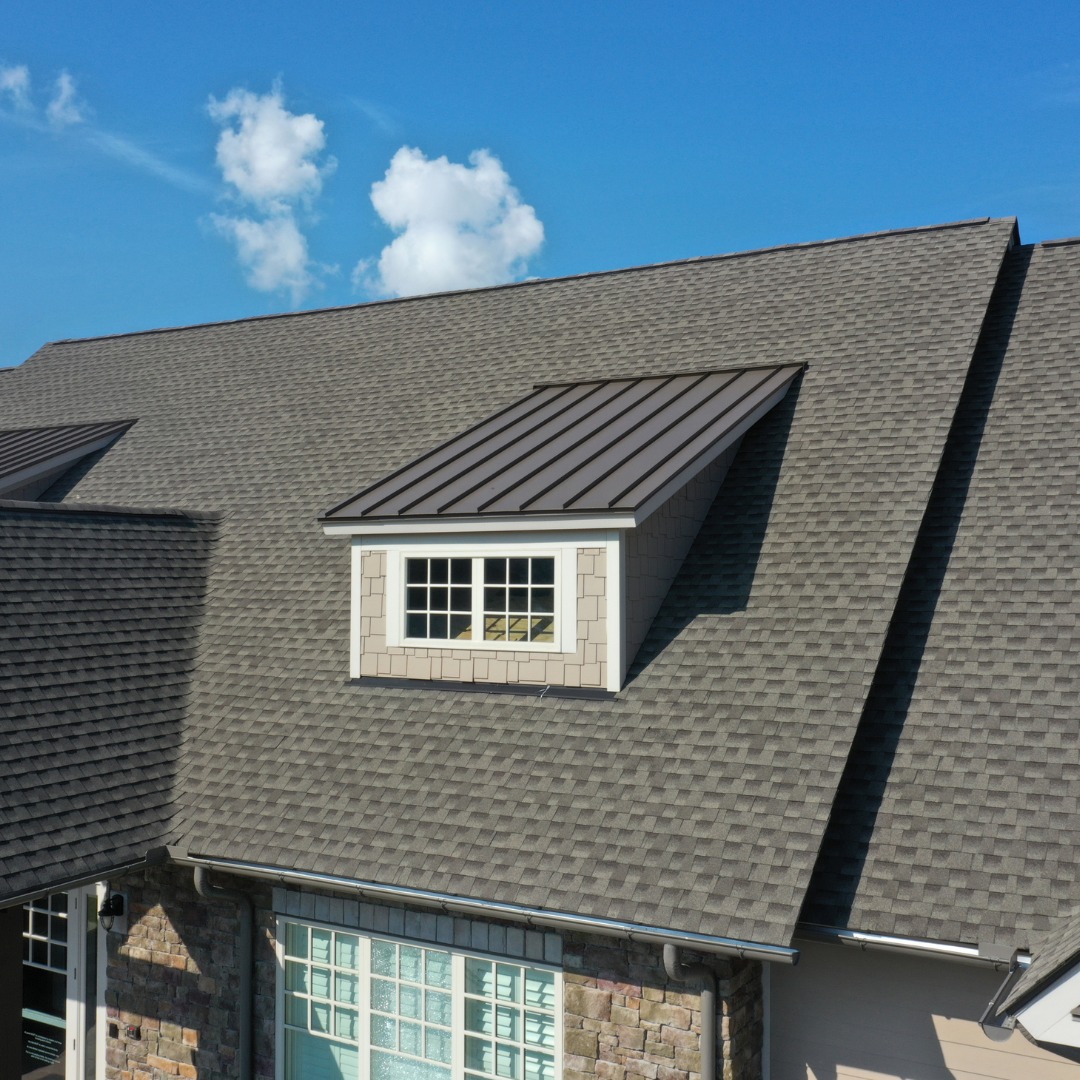
Properties in Franklin Township and across Hunterdon County range from older homes with slate roofs and brick chimneys to newer builds with architectural shingles and vinyl siding. Each one faces the same New Jersey weather: ice dams in winter, driving spring rain, summer hail and autumn wind. Knowing how each material ages in this climate is what lets us fix the right problem the first time.
Our crews work in Franklin Township and nearby Hunterdon County towns every week, so we understand local building styles, permit requirements and the kinds of damage that show up after each storm season. We treat your roof, chimney and siding as one connected system, because a leak in one almost always affects the others.
Whether you are in Franklin Township or nearby in Hunterdon County, you get the same licensed team, the same free inspection and the same fixed price written quote.
Free Inspection
Roofing, chimney, and siding. We will come out, look at the job, and write the price before any work starts.
(201) 730-9270Call us anytime
Additional options beyond our main services — including specialty roofing, chimney details, siding choices, and gutter care for residential and commercial properties in Franklin Township, Hunterdon County.
Call us and we schedule a time that suits you. A specialist comes to your property in Franklin Township at no cost.
We show you photos of what we found and explain your options in plain language, from repair to replacement.
You receive a written quote with the full scope and price. Nothing starts until you approve it.
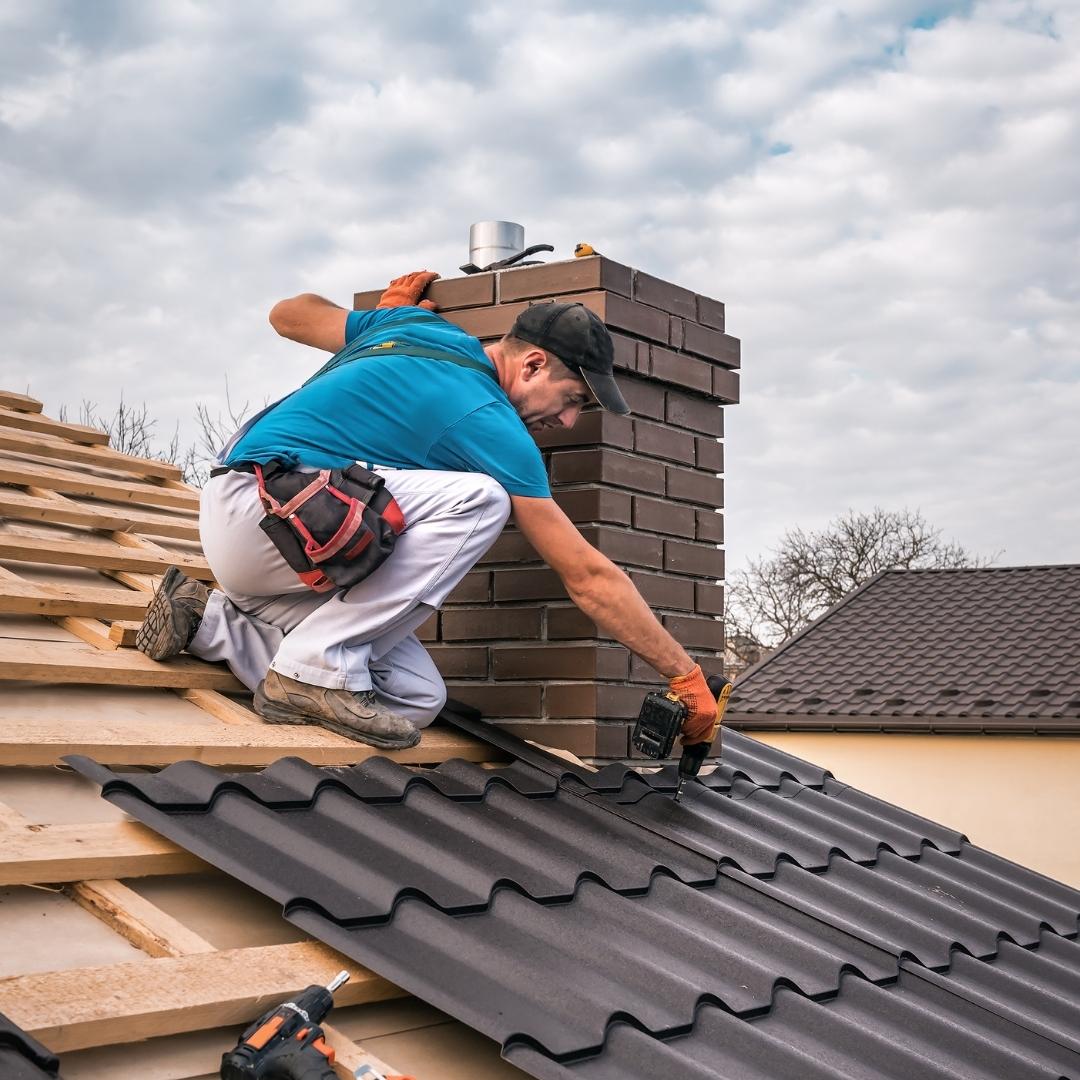
Our own crew completes the job, cleans up, and walks the finished work with you before we leave.
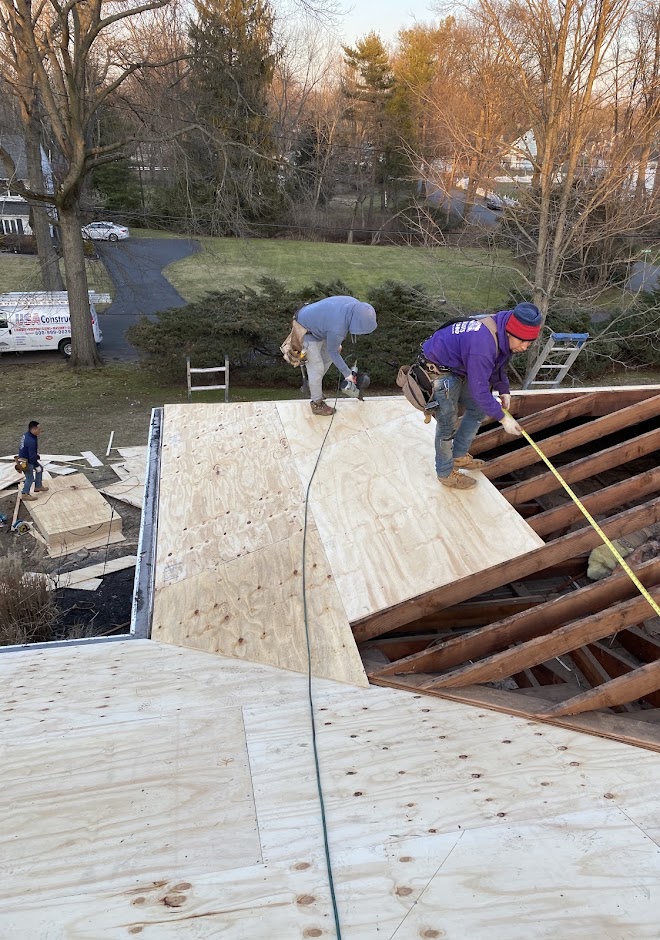
USA Roofing & Chimney LLC began as a family business, and that has not changed how we treat customers in Franklin Township. You deal with the same people from the first call to the final inspection, and we stand behind every job we finish.
A repair may be enough when damage is limited to a small area and the rest of the roof is still in good condition. Replacement becomes more likely when there are recurring leaks, widespread wear, storm damage, failing materials, or damage across multiple roof sections.
Roof replacement cost depends on roof size, pitch, access, tear-off requirements, decking condition, flashing, ventilation, material choice, and roof details such as chimneys or skylights. An on-site inspection is the best way to get an accurate estimate.
The best material depends on the roof design, budget, appearance, and maintenance goals. Asphalt shingles are common for sloped residential roofs, while other homes may use slate or cedar, and flat or low-slope roofs may require systems such as EPDM, TPO, or modified bitumen.
Stay off the roof and check from the ground for missing shingles, fallen branches, loose flashing, or visible damage. If water is entering the building, protect the interior where it is safe to do so, document the damage, and schedule a roof inspection.
Yes, when leaks or membrane damage are localized and the rest of the roof is still serviceable. Replacement may make more sense when moisture is widespread, the system is near the end of its useful life, or repairs have become frequent.
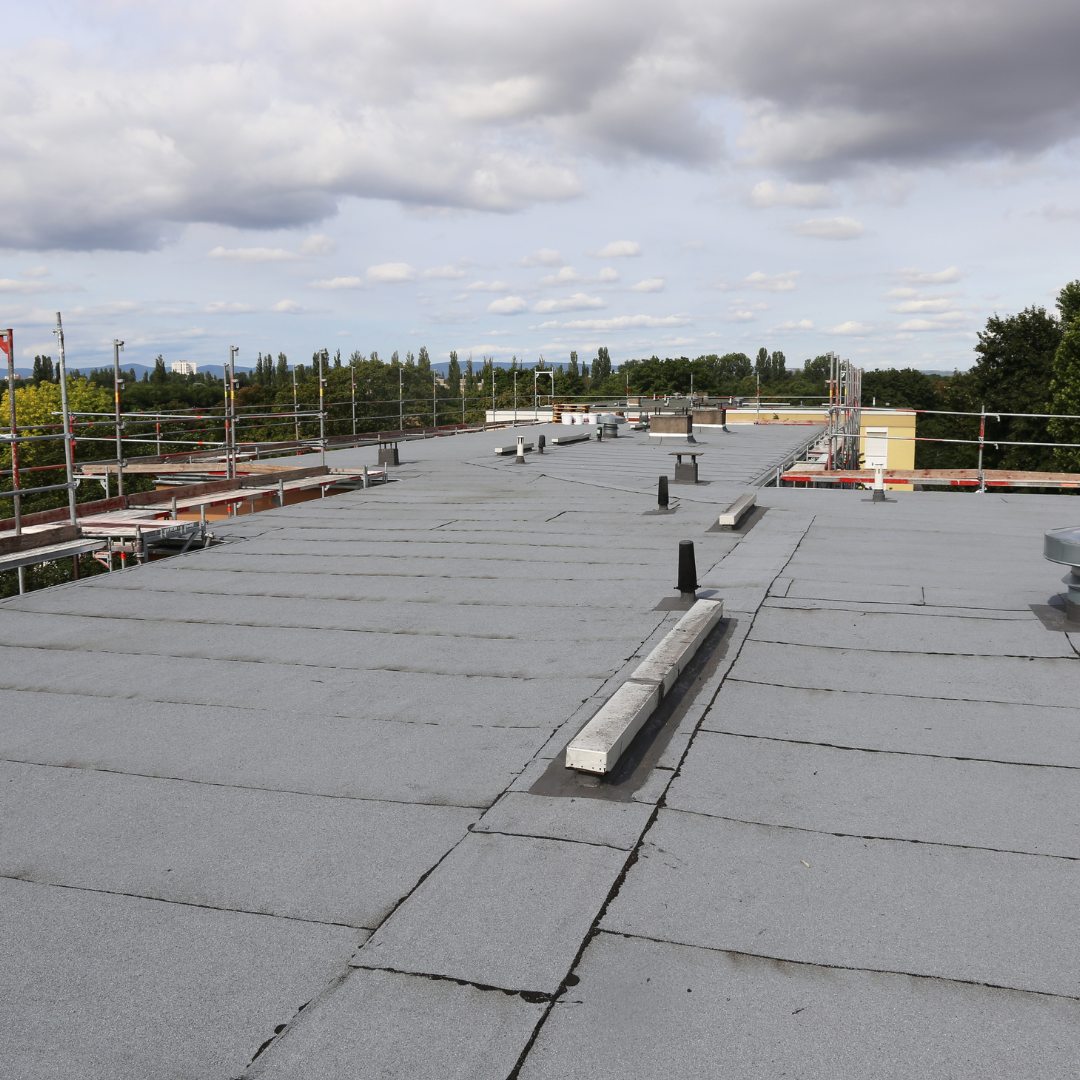
The right system depends on the building, existing roof, drainage, rooftop equipment, roof traffic, budget, and long-term maintenance plan. TPO, EPDM, and modified-bitumen systems can all be good options depending on the property.
Yes. Inspections can identify open seams, damaged flashing, drainage problems, vulnerable penetrations, or new storm damage before leaks spread. Regular inspections also help with maintenance planning and budgeting.
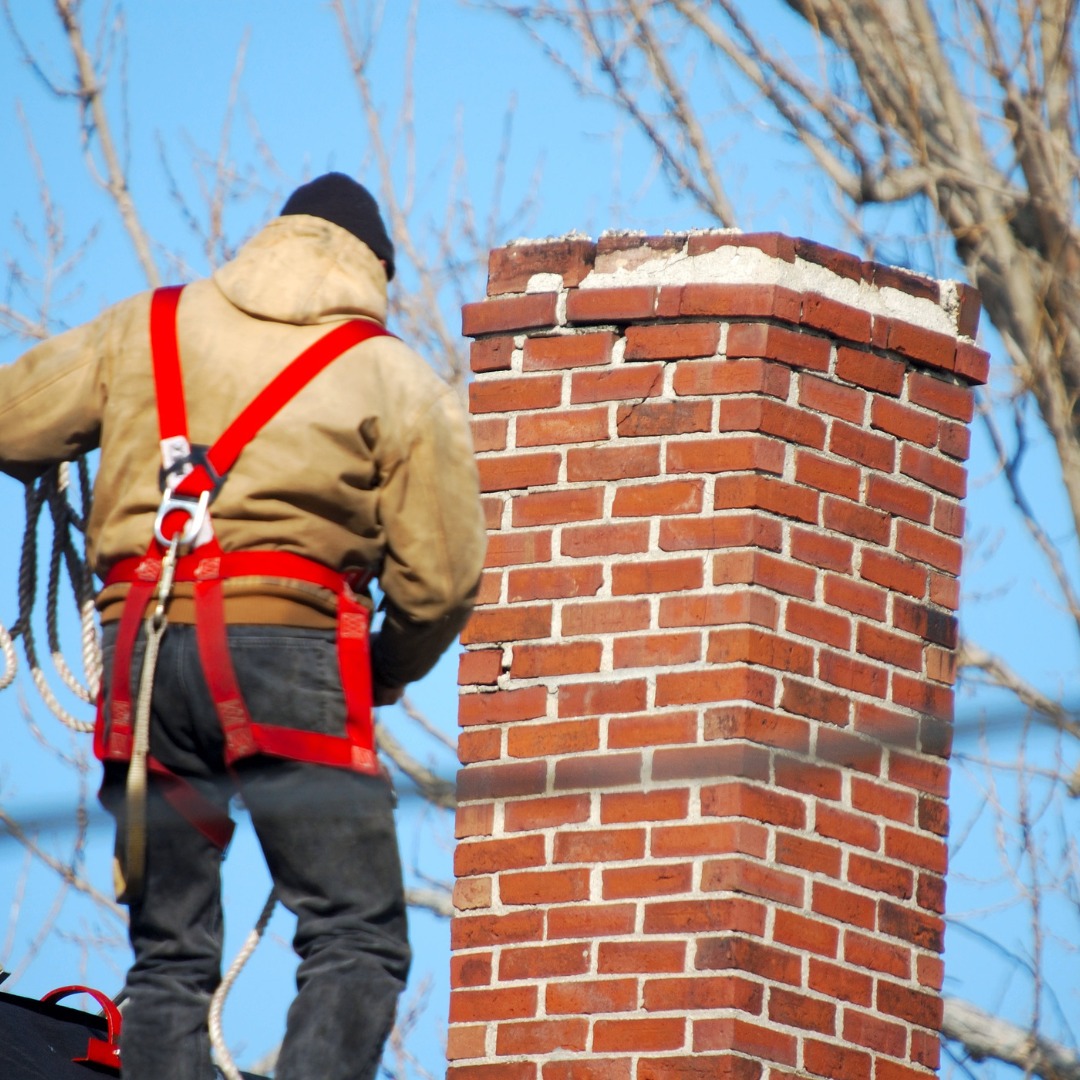
Common warning signs include cracked mortar, loose bricks, water stains, a damaged crown, rust around the damper, or pieces of masonry falling from the chimney. An inspection can determine whether a targeted repair or larger rebuild is needed.
Chimney leaks often come from damaged flashing, a cracked crown, missing mortar joints, a failing chimney cap, or porous masonry. The source should be checked from the roofline down instead of sealing only the visible stain.
Small cracks and isolated mortar damage can often be repaired. A rebuild may be more practical when bricks are loose, the chimney is leaning, large sections are deteriorated, or repeated patching has failed.
A chimney cap is strongly recommended because it helps keep rain, snow, leaves, debris, and animals out of the flue. It can also help reduce moisture-related masonry damage over time.
Often, yes. If the surrounding roof is still in good condition, chimney flashing can usually be repaired or replaced as a focused project. The roof and chimney should still be inspected together because leaks in this area can come from either system.
Yes. Chimney and masonry repairs can be completed on many residential and commercial property types. The repair plan depends on building height, access, chimney construction, connected equipment, and the extent of deterioration.
Yes. When damage involves the chimney, flashing, and nearby roofing, coordinating the work can make it easier to solve the full water-entry problem and avoid disturbing newly completed work.
Repair may be enough when damage is limited to a few panels or one small area. Full replacement becomes more likely when there is widespread cracking, warping, rot, repeated repairs, water getting behind the siding, or failure across multiple walls.
Cost depends on building size, siding material, removal of old siding, wall condition, trim, soffit and fascia details, insulation needs, and access. Vinyl, fiber cement, cedar, and other materials have different installation and maintenance costs.
Vinyl is popular for lower maintenance and broad style choices, fiber cement is often chosen for durability and appearance, and cedar offers a natural look with more maintenance. The best choice depends on budget, style, exposure, and upkeep preferences.
Yes, if the damage is localized and compatible replacement material is available. Widespread wind, hail, impact, or water damage may make a larger replacement more practical, especially when matching older siding is difficult.
Yes. Commercial and multifamily siding projects can be planned around building access, tenants, entrances, parking, code requirements, and the existing wall system.
The right product depends on the building design, weather exposure, maintenance goals, appearance, budget, and code requirements. Fiber cement, vinyl in appropriate applications, and other approved cladding systems may be considered based on the actual property.
Noticed a leak, a loose panel or crumbling mortar? Call now to book a no-cost inspection in Franklin Township, Hunterdon County. We answer 24 hours a day, 7 days a week.